Choose a landing spot before choosing a bigger swing
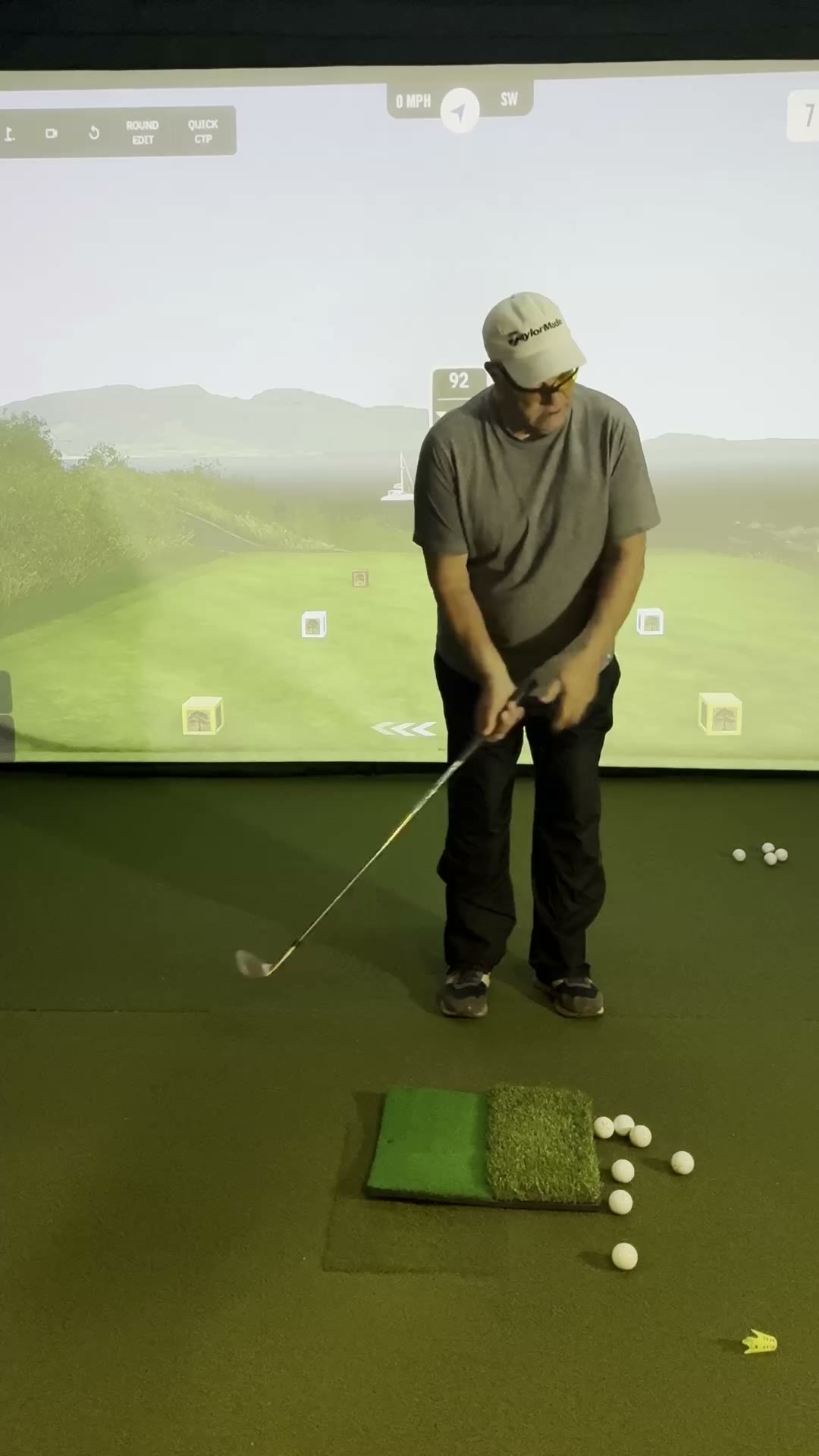
Lesson 13 starts by reframing the problem. Instead of making a different swing for each chip, identify where the ball should first land on the green. Kevin uses one step onto the green as the reference and chooses a club to produce that carry.
That does not create one fixed club for every chip. The lie, distance and amount of green available still make each shot different. The useful question is what club can reach the landing area with the movement you are practicing.
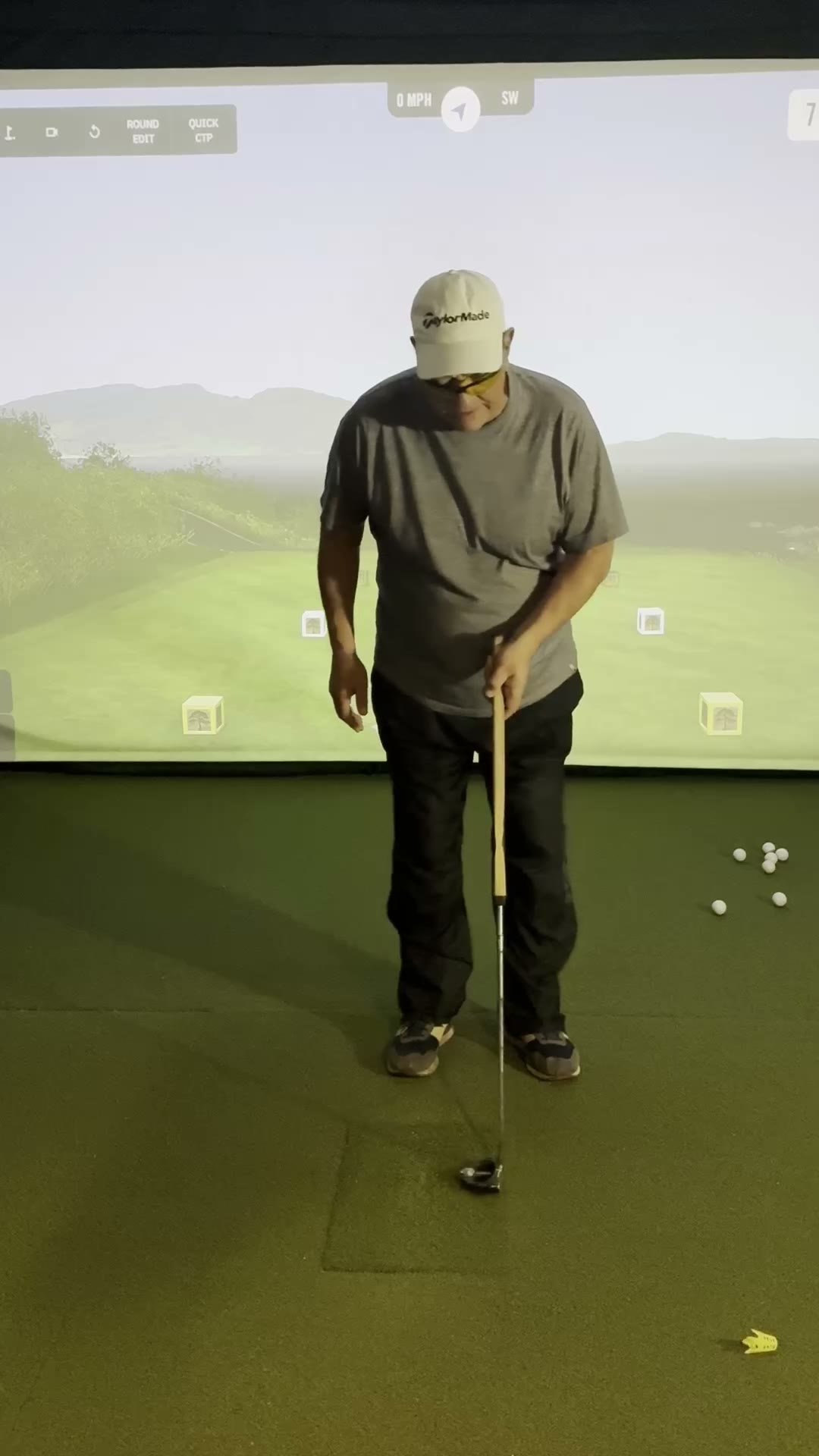
Why Kevin connects the chip to a putt
The putting lesson provides a reference for the motion. In Lesson 13, a longer club takes that idea into the short game. Watch the relationship between setup and movement rather than assuming a chip must be a reduced version of a full drive.
If the movement feels unfamiliar, revisit Lesson 12 before adding length to the chip. The sequence is designed to connect ideas, so using the previous lesson is part of learning rather than a step backward.
Compare clubs around the same landing area
Choose a manageable practice shot and a clear landing area. With controlled rehearsals, observe which club carries to it and how the ball rolls afterward. Use those observations to understand the choice Kevin is describing. This is a suggested way to explore his lesson, not a universal club-selection chart.
Change one thing at a time. If you change the landing spot, club and movement together, it is harder to tell which change affected the result. Keep the question practical: did the shot reach the intended landing area, and what happened after it landed?
The sand game and the on-course connection
Lesson 13 also demonstrates the sand game and explains the ball-position adjustment Kevin uses. Watch the sand demonstration separately before assuming a chip and bunker shot have identical setups.
Lesson 14 then takes the broader short-swing idea onto the course. Kevin discusses clubbing down and using a pitch movement instead of defaulting to a full swing. Start with the demonstrated shot and its purpose, rather than treating any one club recommendation as a rule for every hole.
Common questions
What club should I chip with?
Kevin chooses a club around the intended carry: one step onto the green. The right club depends on the shot and the roll available, so the lesson does not prescribe a single club for every chip.
Should I watch putting before chipping?
Yes, the connection is useful. Lesson 12 establishes the putting motion that Kevin builds on with a longer club in Lesson 13.
Does the short-game lesson include bunker play?
Yes. Lesson 13 covers chipping and the sand game, including the ball-position distinction Kevin demonstrates.
Watch the lessons behind this guide
This guide draws on Kevin’s course demonstrations. Use the complete videos to see the movement and its context.
- Lesson 12: Torque the putt
Putting gets its own treatment, with the right hip out of play and the ball in the middle of the stance. Watch how torque, not a flat-wristed flip, lets the putter release into square contact.
- Lesson 13: Chipping and the sand game
Chipping gets reframed as putting with a longer club: whatever club carries the ball one step onto the green becomes the shot. The same motion carries into the sand, where only the ball position moves forward.
- Lesson 14: Take it to the course
One piece of on-course strategy: after the drive, club down two and use the pitch motion instead of a full swing, trading distance for control. The lesson closes by naming the routine that carries the system into every round.